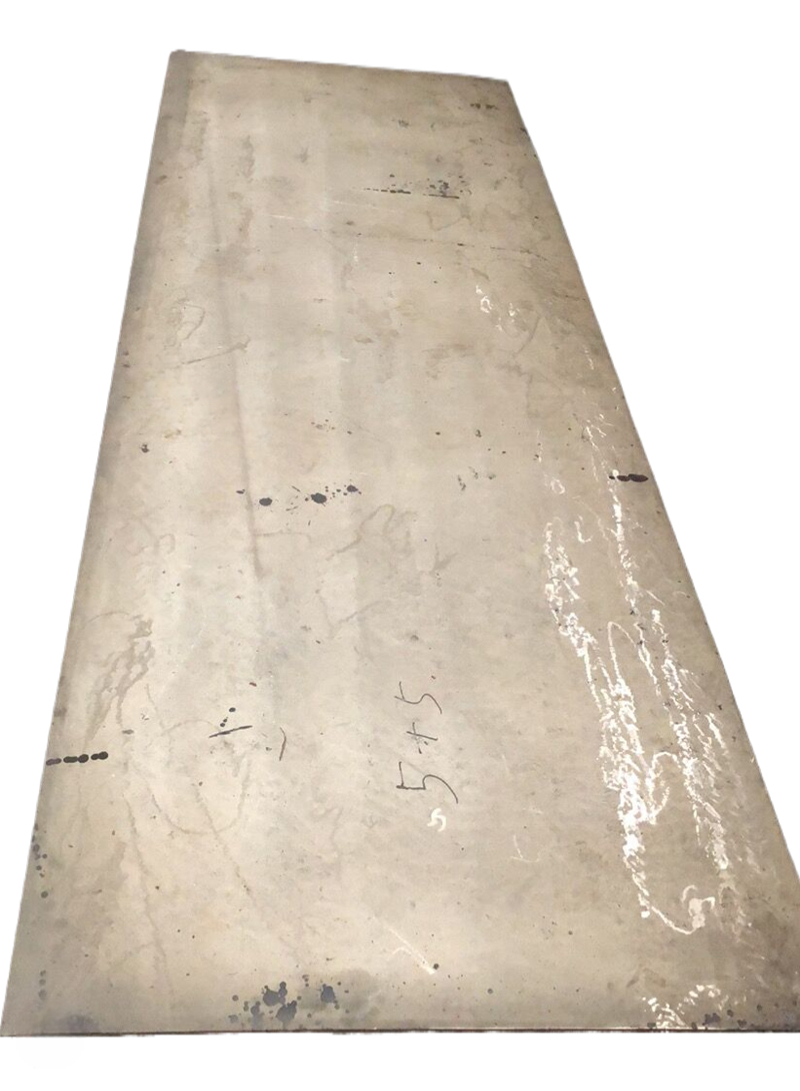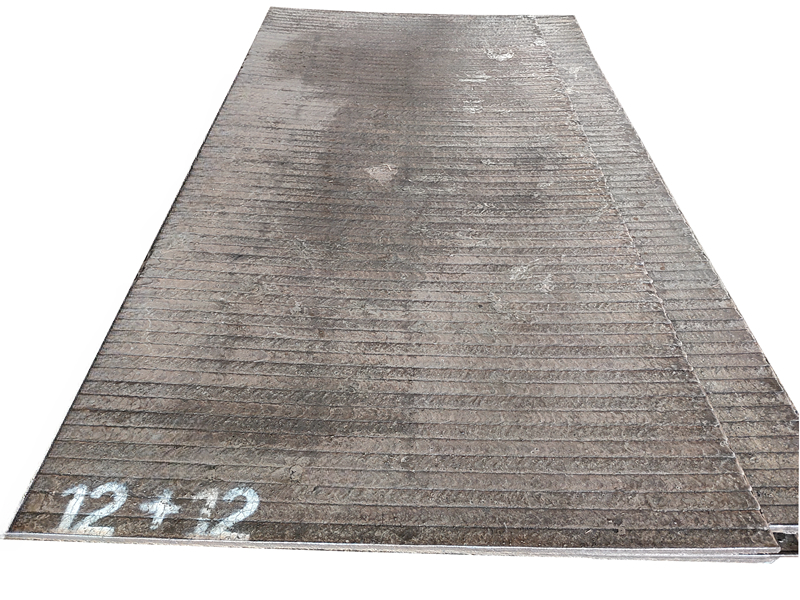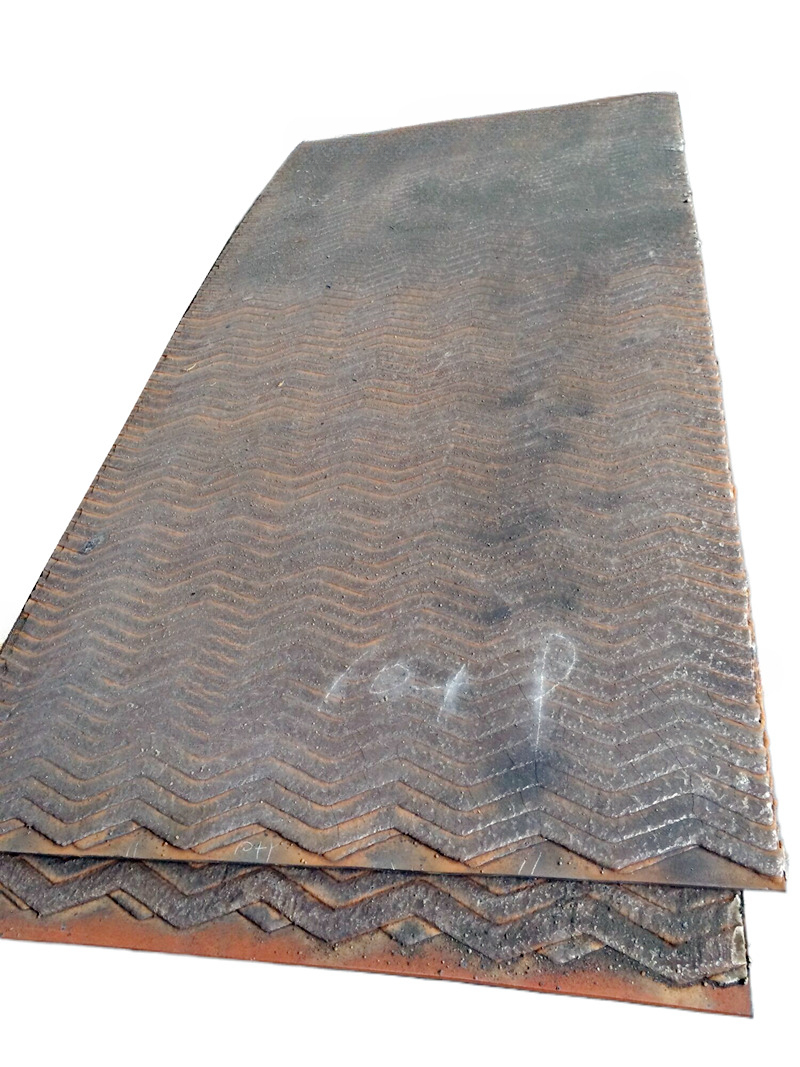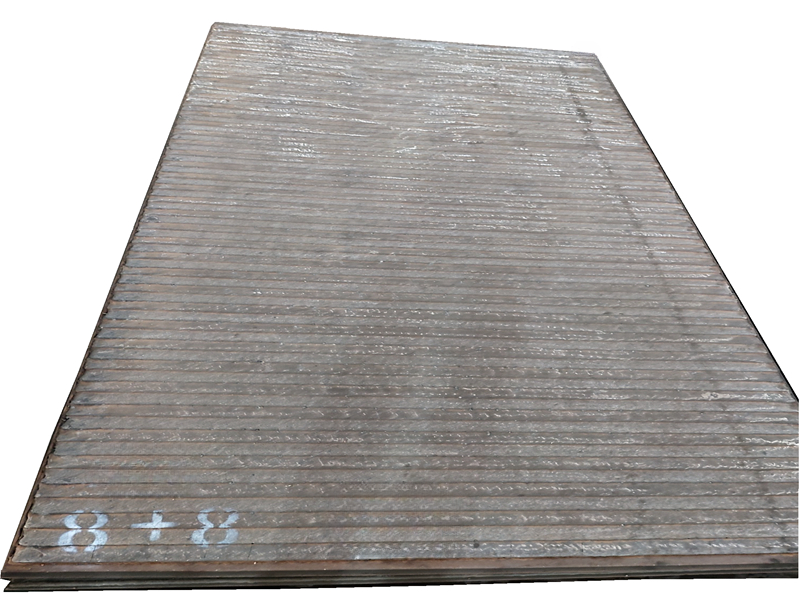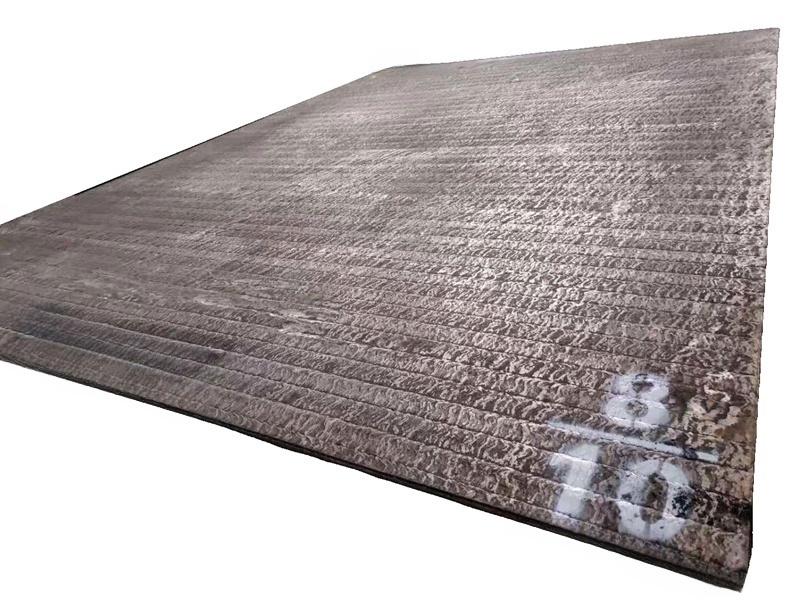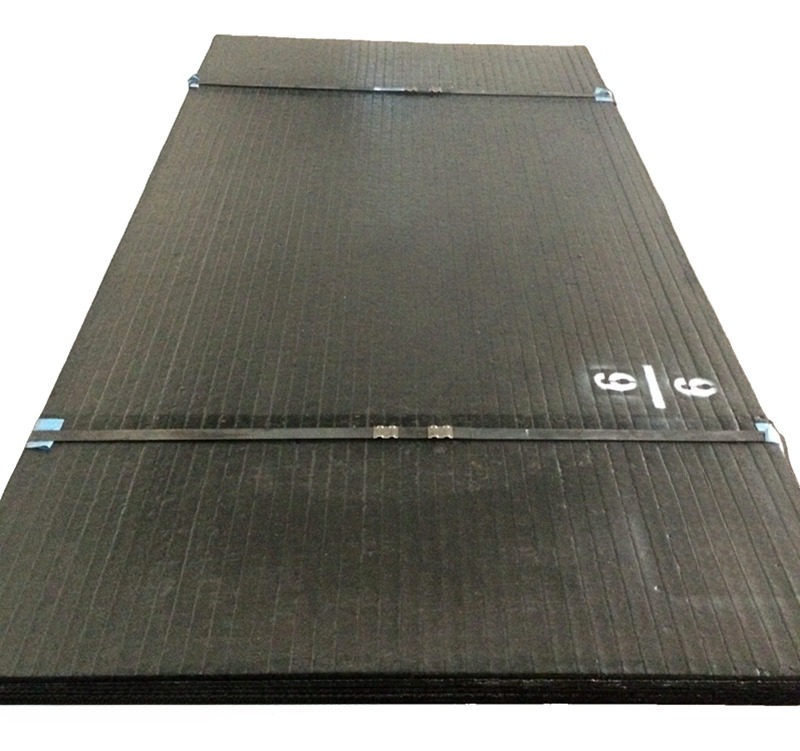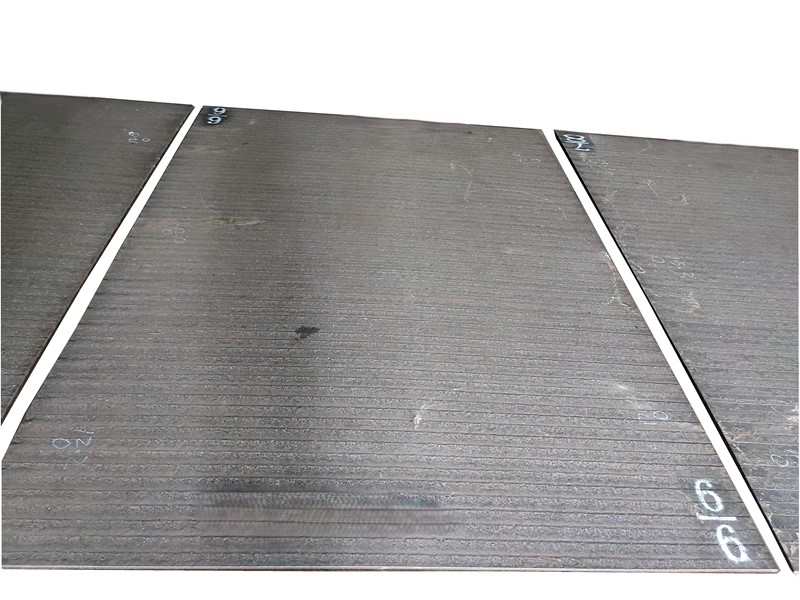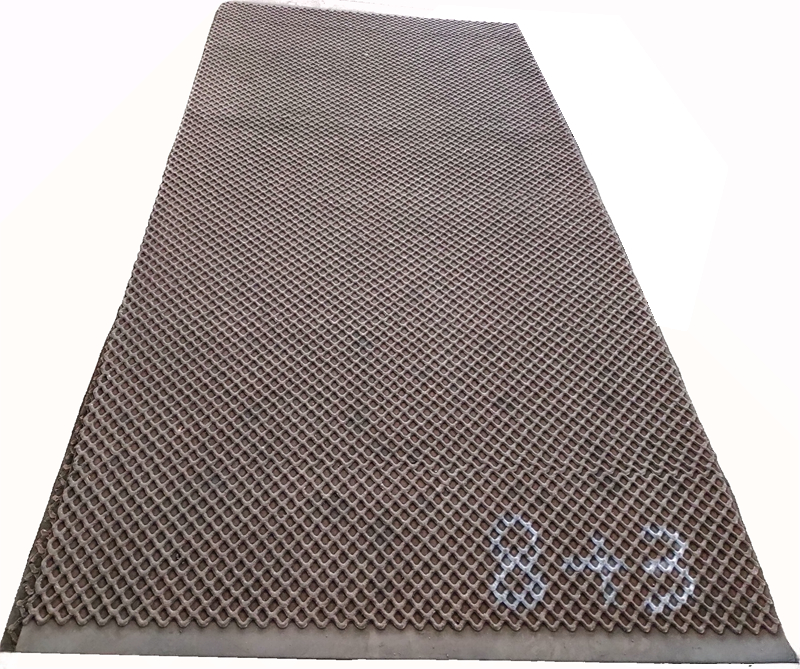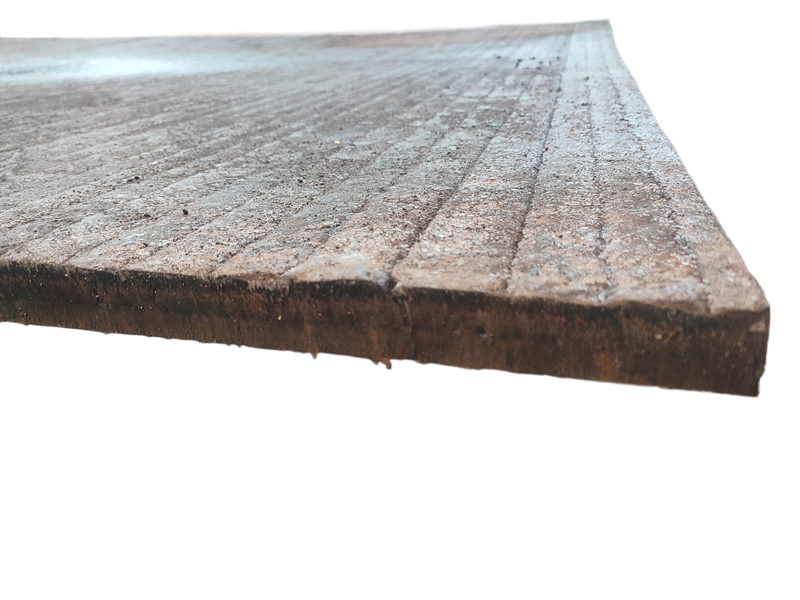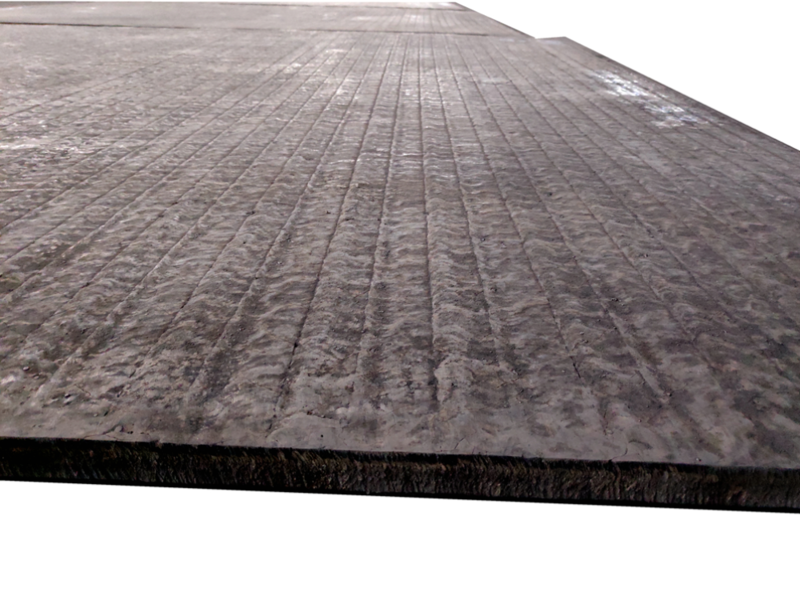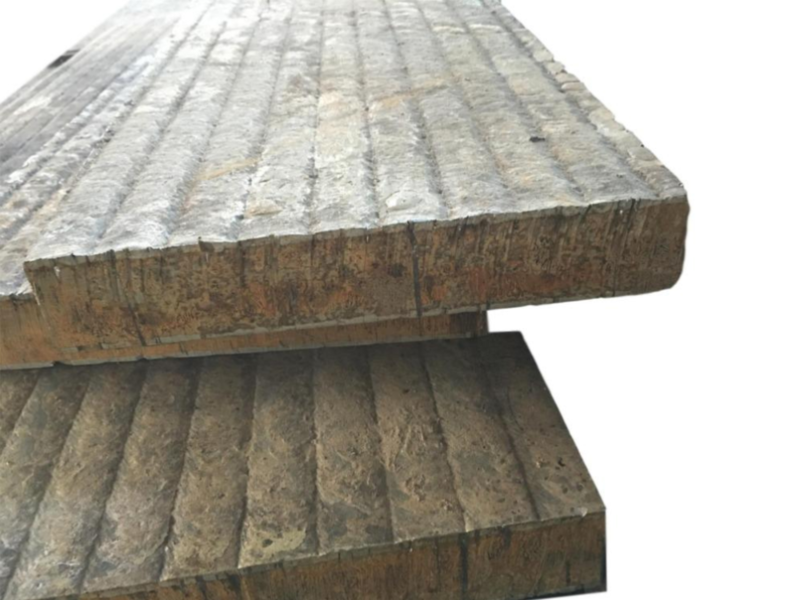
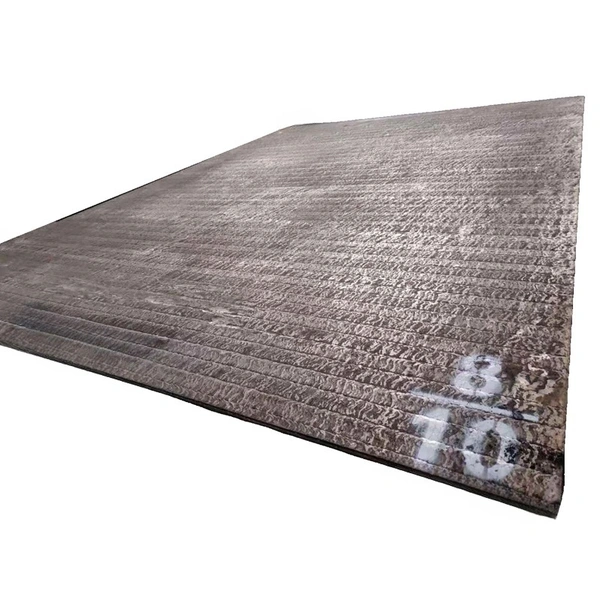
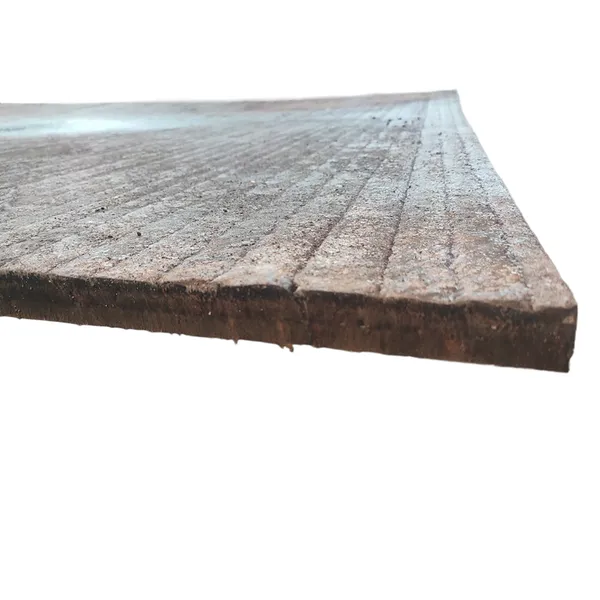
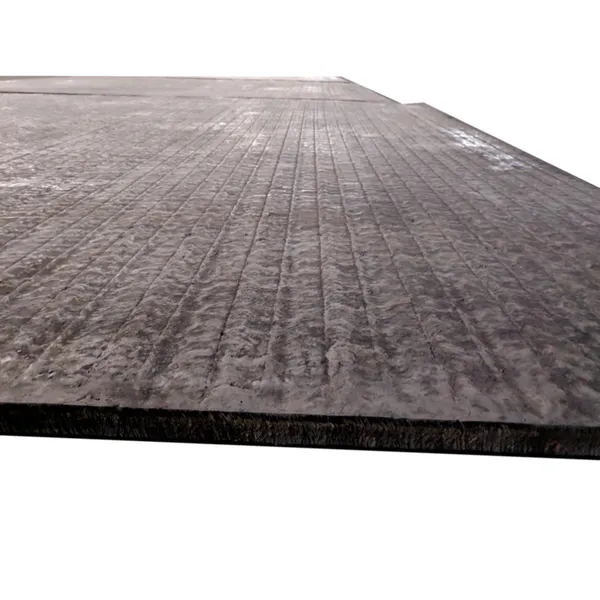
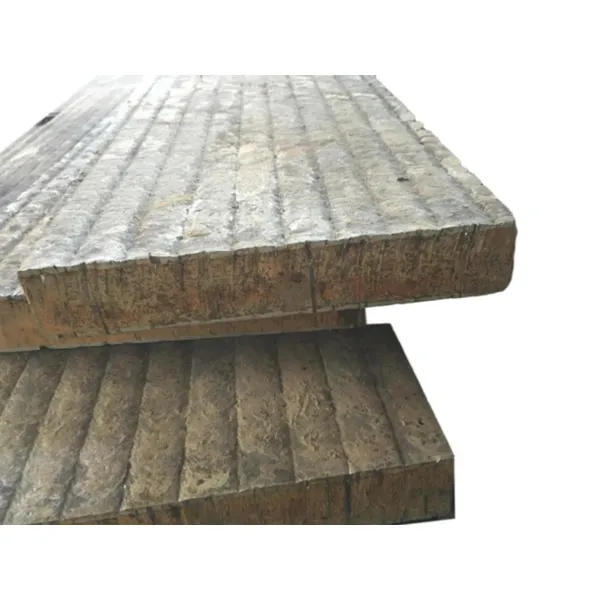

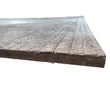
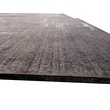
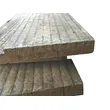
Chromium carbide overlay plate, also known as CCO plate, is a type of wear-resistant steel plate that is designed to withstand abrasive wear and impact. It is made by welding chromium carbide particles onto a steel base plate through a welding process.

The high hardness self-protecting alloy wire or alloy powder is welded evenly on the substrate by special equipment and automatic welding process, and the number of composite layers is from one layer to two layers to multiple layers.


The alloy wear-resistant layer of the composite wear-resistant steel plate is completely metallurgically bonded to the substrate.
The chromium carbide creates hard surface that is highly resistant to wear and abrasion, making it ideal for use in industries such as mining, construction, and manufacturing.


CCO plate is commonly used in applications where equipment is subjected to high levels of wear and tear, such as conveyor belts, chutes, and crushers. It offers a cost-effective solution for extending the lifespan of equipment and reducing maintenance costs.